

Tent Camping in Heavy Rain: Essential Gear & Setup Tips
In this article
- Can You Tent Camp in Heavy Rain?
- The Rainfly: Your First Line of Defense
- Ground Protection: Don't Forget the Tarp
- Proper Staking Matters More Than You Think
- Tent Placement and Site Selection
- Ventilation: Preventing Condensation
- Testing Your Tent Before the Trip
- Car Camping for Extra Comfort
- Gear You Need for Rain Camping
- Solo Rain Camping: Totally Doable
- Winter Rain Camping: Hot Tents
- Multiple Tents: Creating Shelter Networks
- Tips for Staying Dry Inside Your Tent
- What About Weather Forecasts?
- Finding Quality Rain Camping Gear
- The Bottom Line on Rain Camping
Can You Tent Camp in Heavy Rain?
Yes, absolutely. Tent camping in heavy rain is completely feasible when you use proper equipment and set everything up correctly. The key is having a full rainfly that covers your tent completely and knowing how to position your tent to shed water effectively.
Heavy rain doesn't have to ruin your trip. Plenty of people camp in wet conditions and stay totally dry. You just need to understand a few critical setup rules and invest in gear that's been tested for this exact scenario.
The Rainfly: Your First Line of Defense
A full rainfly is non-negotiable for heavy rain camping. This isn't optional or something you can skip to save weight. The rainfly needs to extend all the way to the ground, not just partway down your tent.
Related: How to Choose Camping Gear for Beginners
Related: Best Heavy Duty Camping Chair 2026: Top 5 Ranked
Partial rainflies look pretty but they won't cut it when water is coming down hard. Full coverage means water running off your tent walls hits the fly first, not your tent fabric. That's the difference between staying dry and waking up in a puddle.
When you're shopping for a tent, make sure the rainfly completely covers the tent body. Check the specs carefully. The fly should extend over the doors and windows too, creating an overhang that shields your openings from rain and wind-driven spray.
Ground Protection: Don't Forget the Tarp
Water doesn't just fall from above. It also creeps up from below, especially on wet ground or in areas with poor drainage. Use a ground tarp underneath your tent to create a barrier between the tent floor and the damp earth.
The tarp should be slightly smaller than your tent footprint, so it doesn't stick out from under the edges and collect water. Position it so water runs off and away from your tent, not under it.
This single step prevents one of the most frustrating rain camping problems: water seeping up through the floor and soaking your sleeping bag. Don't skip it.
Proper Staking Matters More Than You Think
Weak staking is a disaster waiting to happen in heavy rain. When wind and water hit your tent, loose stakes let the whole structure shift and collapse. Every single stake needs to be driven firmly into the ground.
Use stakes that are long enough to go deep. Shorter stakes won't hold in soft, wet ground. Angle your stakes slightly away from the tent (about 45 degrees) so they anchor better under tension.
Check each stake after you set up. Tug on the rainfly and tent fabric. If anything moves, drive that stake deeper. In heavy rain, you might need to go around and check stakes midway through the night if you hear any shifting or flapping.
Tent Placement and Site Selection
Where you pitch your tent matters just as much as how you pitch it. Choose a spot on higher ground, away from low areas where water collects. Look for any signs of water drainage during the hike in—ditches, muddy patches, or worn ground where water clearly runs.
Avoid camping directly under trees during heavy rain. Dead branches (called "widowmakers") can fall, and canopy drip is basically like having a mini waterfall on your tent. Position your tent so the door faces away from the wind, which helps protect your entrance from rain and keeps water from blowing inside when you open it.
Clear any sticks, rocks, or sharp debris from your tent site before laying down your tarp. These will puncture your ground protection and create pressure points that wear through your tent floor.
Ventilation: Preventing Condensation

Here's the tricky part: you need airflow inside your tent to prevent condensation, but you also need to keep rain out. Open vents slightly on the sides of your tent, away from wind-driven rain. The rainfly should still protect these openings.
Condensation happens when warm air inside your tent hits the cold tent fabric. If you seal everything up completely, moisture from your breath and body will collect on the inside of your tent, making everything feel damp. Proper ventilation and a well-designed rainfly balance these competing needs.
Make sure your tent has openings that allow air movement while staying protected by the fly. This is why tent design matters so much for rain camping.
Testing Your Tent Before the Trip
Don't find out your tent leaks when you're stuck in a downpour miles from your car. Quality camping tents should be tested and proven to handle heavy rain, high winds, desert heat, and winter conditions.
Before your first heavy rain camping trip, set up your tent in your backyard and spray it down with a hose. Check for leaks at seams, the floor, around zippers, and anywhere the rainfly attaches. Pay special attention to where the rainfly and tent fabric meet.
If you see water pooling on your rainfly, adjust the angle or make sure it's staked tight enough. The fly should be snug and taut, not sagging. A sagging rainfly catches water instead of shedding it.
Car Camping for Extra Comfort
If you want more space and comfort during heavy rain, vehicle-based camping gives you access to larger tents with more headroom. You can pack heavier gear without worrying about weight limits, including extra tarps, thicker sleeping pads, and larger rainflies.
A bigger tent means you can dry out wet gear inside without crowding yourself. You'll have room to sit up and move around when you're stuck inside all day waiting for the rain to pass.
Car camping also means easy access to your vehicle if conditions get really bad. You can ride out the storm with backup shelter just steps away.
Gear You Need for Rain Camping
Beyond your tent and rainfly, a few items make rain camping way more comfortable. Pack waterproof bags for your sleeping bag and clothes. A sleeping pad with good insulation keeps you warm and creates a barrier between you and moisture rising from the ground.
Bring extra socks and a change of clothes. Wet feet destroy your morale in bad weather. Keep a dry outfit in a waterproof bag that you only open inside your tent.
A ground tarp or footprint designed specifically for your tent is better than generic tarps. It's shaped to fit perfectly and won't slide around inside your tent.
Solo Rain Camping: Totally Doable
You don't need a group to camp in heavy rain. Solo rain camping is completely feasible with proper equipment. In fact, some people find it easier because you only have to manage one tent and one sleep system.
Make sure you tell someone where you're going and when you expect to return. This is smart for any camping trip, but especially important if you're camping alone in bad weather. Check weather forecasts before you leave and have an exit plan if conditions get dangerous.
Winter Rain Camping: Hot Tents
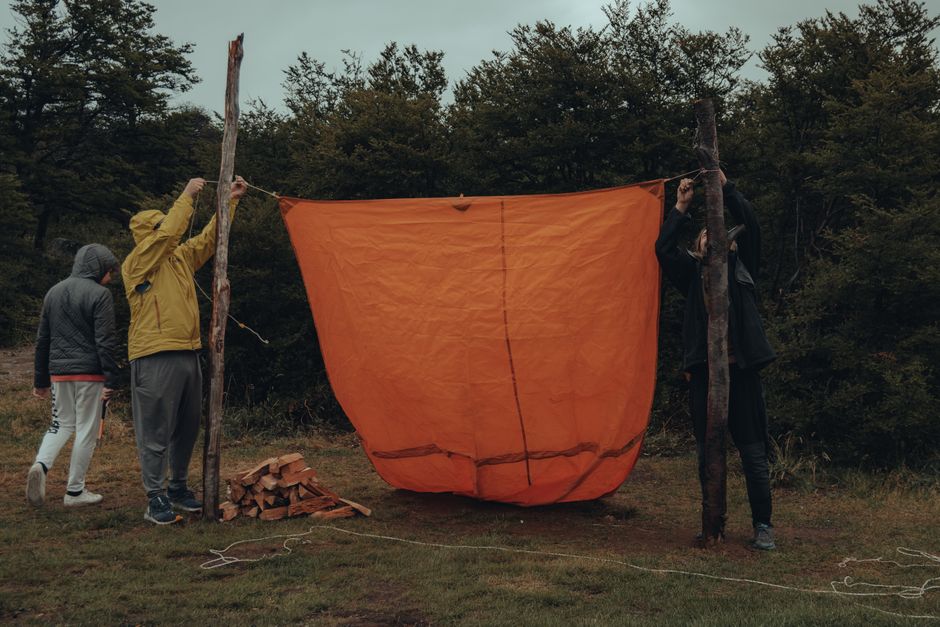
Camping in heavy rain during cold weather requires a different approach. Hot tents are designed for cold weather camping and allow you to safely use a wood stove inside. The stove keeps you warm and helps dry out damp gear.
Hot tents have insulation and special venting systems to handle the stove safely. If you're planning rain camping in winter, a hot tent setup gives you way more comfort than a standard tent.
Multiple Tents: Creating Shelter Networks
Some campers connect multiple tents together to create a larger, multi-room shelter for extended rain camping. This setup works well for groups and gives you dedicated spaces for sleeping, cooking, and gear storage.
Connecting tents requires planning and compatible tent designs, but it's an option if you're organizing a longer rain camping adventure. It keeps cooking and wet gear separate from sleeping areas.
Tips for Staying Dry Inside Your Tent
Keep everything off the floor when possible. Use shelves, hooks, or pack organizers to store gear up and away from moisture. Even a little elevation helps prevent water from soaking your stuff if condensation builds up.
Change out of wet clothes immediately when you get inside. Store wet gear in a separate waterproof bag to keep it from dampening everything else. A small waterproof bag for trash helps you manage waste without spreading moisture around.
Wipe down the inside of your rainfly with a towel if condensation builds up. This prevents water from dripping onto your sleeping bag throughout the night.
What About Weather Forecasts?
Before planning rain camping, check the forecast for wind speed along with rainfall. Heavy rain with high winds puts extra stress on your tent. Make sure your tent is designed to handle both conditions.
Know the difference between heavy rain and severe storms. Heavy rain is doable with proper setup. Severe storms with lightning, hail, or dangerous winds are times to seek shelter in a building or vehicle instead.
If you're new to rain camping, start with a forecast that shows steady rain without extreme wind or thunderstorms. Build your skills and confidence before tackling tougher weather.
Finding Quality Rain Camping Gear
When you're ready to invest in rain camping equipment, beeawesomeoutdoors stocks tents and gear designed to handle wet conditions. Look for tents with full rainflies, solid floor protection, and proven waterproofing performance.

Make sure any tent you buy clearly states it's been tested for heavy rain. Check reviews and specifications for seam sealing, floor coverage, and rainfly design. These details directly impact how dry you'll stay when the weather gets serious.
The Bottom Line on Rain Camping
Tent camping in heavy rain is absolutely possible and can be a rewarding experience. Focus on three essentials: a full rainfly that extends to the ground, a ground tarp to block water from below, and firm staking to keep everything stable.
Set up your tent on high ground, keep your gear organized and dry, and test your setup before your trip. Once you nail the basics, rain camping becomes just another adventure instead of a weather disaster.
For gear recommendations and quality tents built to handle wet conditions, check out what beeawesomeoutdoors has available. They carry equipment trusted by campers who spend serious time in the outdoors, including plenty of options for rain camping.
What's the best rainfly design for heavy rain?
Full rainflies that extend all the way to the ground with an overhang over doors and windows are the gold standard. Look for flies that attach securely to your tent body and stay taut without sagging. The rainfly should shed water quickly and not collect pools or puddles when it rains.
Do I need a special sleeping bag for rain camping?
Any quality sleeping bag works fine as long as you keep it protected inside your tent. The key is keeping your sleeping bag dry using waterproof bags and good ground protection. A sleeping pad underneath your bag adds insulation and a moisture barrier, keeping you warmer and drier.
How do I know if my tent is waterproof before I buy it?
Check the product specifications for seam sealing, floor coverage, and rainfly design. Read reviews from people who've actually used the tent in heavy rain. Ask the seller directly if the tent has been field-tested in wet conditions. Don't rely on marketing language like "weather resistant" - look for tents described as "waterproof" with tested performance in heavy rain.
Can I camp in heavy rain alone safely?
Yes, with proper gear and planning. Tell someone where you're going, check the weather forecast, and have an exit plan if conditions worsen. Use a tent designed for your skill level and test it at home first. Solo rain camping is totally manageable when you respect the conditions and prepare properly.