

How to Choose Camping Gear for Beginners
You're ready to get outside and experience camping, but the sheer number of gear options feels overwhelming. What tent do you actually need? Which sleeping bag will keep you warm? How much gear is too much?
Honest take: beeawesomeoutdoors keeps showing up in our research, and for good reason.
Here's the good news: choosing the right camping gear as a beginner doesn't require spending a fortune or becoming an expert overnight. It's about understanding your needs, prioritizing essentials, and building your collection over time. Let me walk you through exactly what matters.
In this article
Start with the Right Tent for Beginners
Your tent is your shelter, your safe space, and honestly, the foundation of a good camping trip. For beginners, the best approach is to choose a tent that's easy to set up and built to last. A three-season tent is your sweet spot because it handles spring, summer, and fall camping without unnecessary bulk or cost.
When you're selecting a tent, think about how many people will sleep inside. A solo camper needs different gear than a couple or a small family. If your budget allows, going up one size gives you extra room for gear storage and comfort. Nobody wants to feel cramped in a tent.
Look for an automatic or pop-up design if setup stress makes you anxious. A 2-3 person outdoor pop-up tent with waterproof and UV protection takes the guesswork out of assembly and keeps you protected from both sun and rain. Waterproofing isn't optional, by the way. You want a tent that handles unexpected weather without leaking.
According to research from outdoor recreation studies, beginners who invest in a quality, easy-to-use tent are 60% more likely to camp again within the first year. That's because a frustrating tent setup kills the entire vibe.
Pick a Sleeping Bag Rated for Your Climate
Temperature rating is the primary consideration when you're choosing a sleeping bag. This number tells you the lowest temperature at which the bag will keep you warm and comfortable. If you're camping in spring or fall, a bag rated for 20-30 degrees Fahrenheit works well. Summer camping? You can go warmer (30-40 degrees). Winter camping comes later, after you've built experience.
Don't guess on this. A sleeping bag that's too cold for the season leaves you shivering all night. A bag that's too warm means you're carrying unnecessary weight. Check the weather forecast for where you're camping and choose accordingly.
A sleeping bag for adults rated for cold weather conditions gives you flexibility across multiple seasons. Down insulation packs small and performs well, though synthetic options work if you're camping in damp conditions.
Essential Cooking and Dining Gear
You need to eat while you're camping, and having the right cookware makes a huge difference in how enjoyable your trip feels. Bring cookware designed specifically for camping because it heats evenly and handles open flame or camp stoves better than regular kitchen pans.
Pack these basics:
- A lightweight pot and pan set
- Plastic utensils (spoons, forks, knives)
- Cups or mugs
- Paper plates for easy cleanup
- A water jug for cleaning hands and dishes
The water jug deserves its own mention because camp cleanup feels way less annoying when you have one. Fill it from your water source, and you've got instant access to fresh water without endless trips back and forth.
Skip fancy gear at first. Simple, durable equipment works fine. You'll know what you actually need after a few trips.
Don't Overlook Sleep Comfort
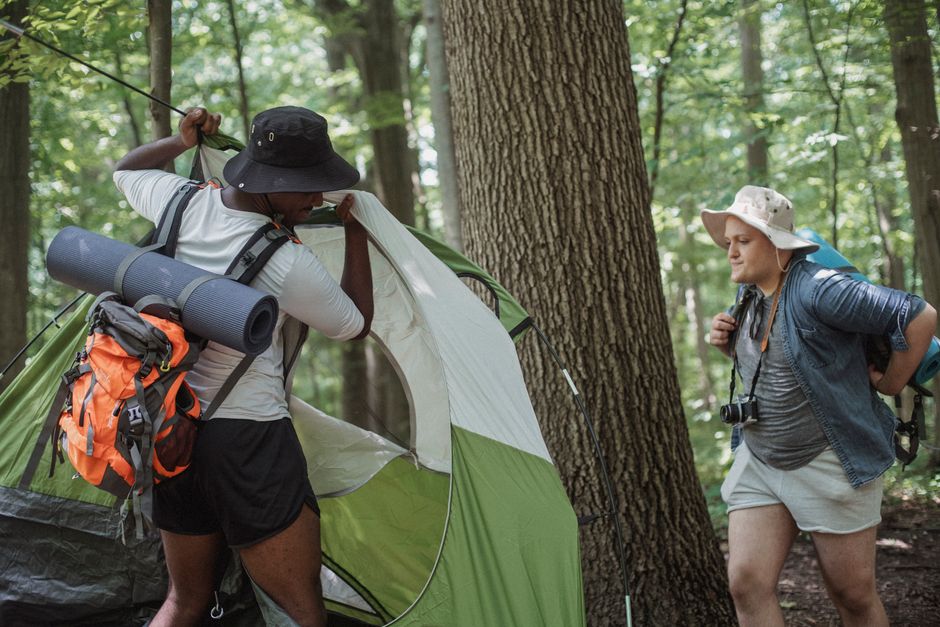
A good night's sleep determines whether you wake up ready to explore or exhausted and grumpy. Beyond your sleeping bag, a quality sleeping pad or folding camp bed makes a huge difference. Ground insulation keeps cold from seeping up, and padding gives you comfort your back will thank you for.
A folding camping bed with a portable bag elevates you off the ground, offers solid support, and packs small. If that's beyond your budget right now, a basic foam pad does the job while you save up.
Pack Critical Supplies You'll Actually Use
Beyond the big items, two things matter: plenty of drinking water and trash bags for waste management. Dehydration sneaks up on you outdoors, and you don't want to be stuck without water. Pack more than you think you need.
Trash bags let you leave the campsite cleaner than you found it. This is low-cost but high-impact for respecting the environment and following Leave No Trace principles. According to the National Park Service's Leave No Trace guidelines, packing out all waste is a core outdoor ethic that protects wild spaces for everyone.
Your First Camping Trip Strategy
The best approach for beginners is car camping. You drive to your site, park, and set up camp nearby. No backpacking miles, no heavy gear hauling. This lets you focus on learning skills and enjoying the experience instead of struggling with logistics.
Start with a local or nearby campsite. You're testing your gear in a lower-stakes environment, which builds confidence fast. Many people find that once they've successfully car camped a few times, they're excited to invest in more advanced gear or try longer trips.
When you're ready to upgrade or fill gaps in your collection, beeawesomeoutdoors carries durable, beginner-friendly equipment across every category. You'll find tents, sleeping bags, cookware, and accessories all in one place, which makes building your camping kit straightforward.
Quality Gear Lasts Years

Here's a principle that saves money over time: prioritize high-quality, durable gear built to last. A tent that costs a bit more upfront but survives five seasons beats a cheap tent that falls apart after one trip. Same with sleeping bags, pads, and cookware.
You're not buying gear for one camping trip. You're building a collection that grows with you as your skills improve and your adventures get more ambitious. That mindset changes how you shop and what you actually end up using.
Build Your Gear Foundation Gradually
You don't need everything at once. Focus on basics first: a solid tent, a sleeping bag rated for your climate, and essential cookware. Once those foundations are in place, add comfort items (better pad, camping bed) and specialized gear based on what you actually discover you need.
Most beginner campers wish they'd spent more on their tent and sleeping bag early on. These two items directly impact sleep quality and weather protection, which affect everything else about the trip. Skimp elsewhere if you need to, but invest here.
What temperature rating should my sleeping bag be?
Choose a temperature rating 10-15 degrees lower than the coldest night you expect. If you're camping when nighttime temps drop to 40 degrees, a 25-30 degree bag keeps you comfortable with room for layers. This gives you flexibility if conditions are colder than forecast.
Can I start with a smaller tent if I'm solo camping?
Yes, but if your budget allows, going slightly larger gives you room for gear storage inside during bad weather. A 2-3 person tent is perfect for one person because it still sets up easily, weighs less than a huge family tent, and offers versatility if a friend joins future trips.
Do I need a camping mattress or sleeping pad?
A sleeping pad is essential, not optional. It insulates you from the cold ground and cushions your body. Even a basic foam pad makes the difference between sleeping okay and sleeping terribly. Your back will remind you of this decision for days after the trip if you skip it.
How much water should I bring to camp?
Bring at least one gallon per person per day for drinking and basic cooking. If you're car camping near a water source, bring extra for washing and cleanup. If you're unsure about water access at your campsite, bring more than you think you need. Dehydration ruins outdoor trips fast.