

Best Bee Hive Protective Suit for Safe Hive Work
In this article
- Why Your Bee Hive Protective Suit Actually Matters
- What Makes a Bee Hive Protective Suit Actually Work
- Full-Body Coverage vs. Partial Suits: What You Really Need
- Fit Is Everything—Don't Skip This Step
- Deep Pockets Keep Your Tools Where You Need Them
- Why Quality Beats Budget Every Single Time
- What to Look For When Choosing Your Suit
- Getting Started With the Right Gear
Why Your Bee Hive Protective Suit Actually Matters
You're standing in front of your hive, smoker in hand, ready to inspect your frames. The last thing you want is to wonder whether your suit will hold up when a bee decides to defend her home. A quality bee hive protective suit isn't just about comfort; it's your first line of defense against stings and a critical part of confident beekeeping.
Whether you're a first-time beekeeper or managing multiple colonies, the right protective gear makes the difference between a smooth inspection and a stressful, painful one. The good news? You don't need to guess. We'll walk you through exactly what to look for so you can work your hives with confidence.
What Makes a Bee Hive Protective Suit Actually Work
Not all bee suits are created equal. A truly protective suit combines three critical elements: full-body coverage, durable construction, and breathable design that keeps you comfortable during extended hive work.
Full-body coverage is non-negotiable. You need a suit that protects your arms, legs, torso, and includes an accessible veil for your face and head. Gaps in coverage are where stings happen. The fabric itself matters just as much as the fit. Quality construction prevents fabric failure and sting-through, which means you can focus on your bees instead of worrying about your protection.
Durability goes beyond just the fabric. Look for suits with reliable hardware like YKK zippers, which hold up through repeated use and don't jam when you're mid-inspection. A zipper failure during a hive check isn't just inconvenient; it compromises your protection when you need it most.
Breathability keeps you cool during longer inspections, especially on warm days. Ventilated designs prevent overheating and allow you to work longer without fatigue. You can find quality options at beeawesomeoutdoors that balance protection with comfort.

Full-Body Coverage vs. Partial Suits: What You Really Need
You might see cheaper partial suits online—just a jacket and veil, no leg coverage. Honest truth? That's a false economy. Bees crawl up your pants. They find gaps. When you're spending time with your hive, comprehensive protection means you can work without distraction.
A full-body suit with integrated veil gives you complete peace of mind. Your arms, legs, and torso are all protected. The veil keeps bees away from your face and neck. This kind of comprehensive design is what separates adequate gear from gear you can actually trust when things get tense at the hive.
The color you choose matters too. Olive green and beekeeper white are the standard options for good reason. Both are visible to you and less threatening to bees than dark colors. Pick whichever works best for your climate and comfort level.
Fit Is Everything—Don't Skip This Step
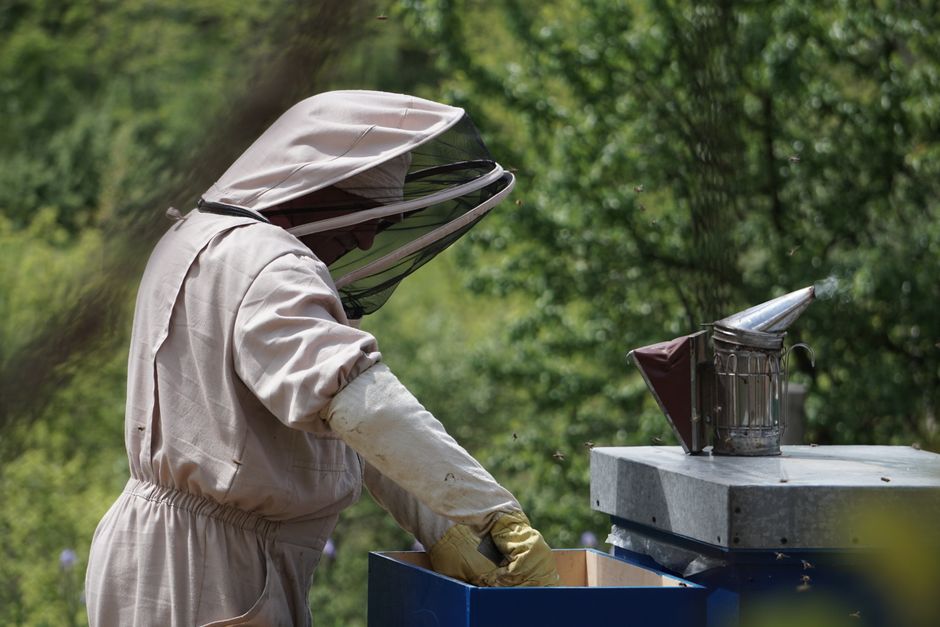
A protective suit only works if it actually fits you. Gaps around wrists, ankles, or at the neck defeat the purpose. When you're shopping for your suit, pay attention to sizing across different measurements. Kids' sizes are available too, so younger beekeepers can work safely alongside adults.
Take time to try on your suit and move around in it before your first hive inspection. Bend, reach, and squat the way you'll be moving during hive work. A suit that fits well stays in place, keeps you cool, and lets you move confidently. Poor fit leads to constant adjustment and leaves you vulnerable.
Check sizing guides carefully. Measure your chest, waist, and inseam. Different brands cut suits differently, so what fits in one brand might not fit in another. This is where having access to detailed product information makes all the difference.
Deep Pockets Keep Your Tools Where You Need Them
You've got a hive tool, maybe a marking pen for the queen, smoker fuel—where do all these go during inspection? Quality bee hive protective suits include deep pockets designed for real hive work. You keep both hands free for your frames while your essential tools stay secure and accessible.
This might seem minor, but fumbling around for tools while bees are active is stressful and inefficient. Pockets aren't just convenient; they're part of a suit designed by people who actually work hives.
Why Quality Beats Budget Every Single Time
You'll find protective suits at a range of price points. The temptation to grab the cheapest option is real. But here's what you need to know: low-cost suits fail where it matters most. Zippers jam at critical moments. Fabric tears under normal use. Seams separate. Most importantly, cheap suits risk sting-through because the fabric simply isn't dense or durable enough.
When you're working an active hive, you need gear you can trust completely. That peace of mind is worth the investment. Quality gear is suitable for beekeepers of all experience levels, from your first season to your tenth. You're not overpaying for luxury; you're paying for reliability.
Research from beekeeping organizations and experienced beekeepers consistently shows that investing in quality protective equipment leads to safer, more enjoyable hive work. Studies on occupational safety in beekeeping emphasize that proper protective equipment significantly reduces injury risk during hive management.
What to Look For When Choosing Your Suit

Start with these criteria for evaluating a bee hive protective suit:
- Full-body coverage with integrated or easily accessible veil
- YKK or equivalent quality zippers that won't fail
- Ventilated fabric to prevent overheating during extended work
- Deep pockets for storing your tools
- Available in multiple sizes for kids and adults
- Color options (olive green or beekeeper white) that suit your preference
- Comprehensive protection against sting-through
Don't just look at price; look at construction quality, material durability, and real-world reviews from other beekeepers. Spend time comparing options designed for actual hive work, not novelty gear. When you find the right suit, you'll notice the difference immediately in how confident and comfortable you feel during inspections.
Getting Started With the Right Gear
Your bee hive protective suit is an investment in both your safety and your beekeeping experience. Quality gear lets you focus on your bees instead of worrying about protection. It fits well, breathes properly, holds up through season after season, and includes thoughtful features like deep pockets and reliable zippers.
Ready to find your suit? Explore what's available at beeawesomeoutdoors, where you'll find options designed for real beekeepers who need real protection. Whether you're just starting out or managing established colonies, the right suit makes every hive inspection safer and more enjoyable.
What size bee hive protective suit should I buy?
Measure your chest, waist, and inseam, then compare against the sizing chart for the specific suit you're interested in. Don't guess on sizing; a proper fit is essential for protection and comfort. Many suits come in kids' and adult sizes, so everyone in your beekeeping family can find the right fit.
Can I use a regular jacket and pants instead of a full suit?
Not recommended. Regular clothing leaves gaps at wrists, ankles, and neck where bees can crawl underneath. A dedicated bee hive protective suit is designed with tapered cuffs, sealed seams, and a veil to eliminate those vulnerabilities. The investment in proper gear pays off in safety and peace of mind.
How often should I replace my bee suit?
A quality suit lasts multiple seasons with proper care. Wash it regularly, inspect it for tears or wear, and replace it if you notice significant damage, persistent zipper problems, or areas where the fabric has thinned. Catching wear early extends your suit's lifespan and maintains your protection.
Are ventilated suits really better than regular ones?
Yes, if you're doing extended hive work. Ventilated designs keep you cooler during inspections, which means you can work longer and more comfortably. In warmer climates or during longer inspection sessions, ventilation makes a noticeable difference in how you feel and perform at the hive.