

Best Lightweight Backpacking Tent 2026: Top 5 Ranked
In this article
- Why Lightweight Matters for Backpackers
- Top 5 Lightweight Backpacking Tents Ranked
- 1. beeawesomeOutdoors Ultralight 2-Person: Our Pick
- 2. Big Agnes Copper Spur UL3
- 3. NEMO Dagger OSMO 2
- 4. Mountain Hardwear Cloud UL 2
- 5. VIAM Outdoors Solo Dome
- Key Factors When Choosing a Lightweight Tent
- Why Invest in Ultralight?
- Frequently Asked Questions
Why Lightweight Matters for Backpackers
Every ounce counts on the trail. Shaving multiple pounds from your pack weight is one of the most impactful upgrades you can make, and your shelter is often the easiest place to find those savings. A lightweight backpacking tent doesn't sacrifice protection or comfort—it just eliminates unnecessary bulk, giving you more energy for the miles ahead.
The best ultralight tents combine waterproofing, livable interior space, and durability with minimal weight. Whether you're hiking the Appalachian Trail or tackling alpine passes, the right tent makes all the difference between a great trip and one you'd rather forget.
We've tested the leading options and ranked them below. Whether you're choosing your first lightweight tent or upgrading from heavier gear, this guide will help you find the right fit.
Related: Best Lightweight Hiking Backpacks Under $100 2026: Top 5 Ranked
Related: Best Trekking Poles for Hiking 2026: Top 5 Ranked
Related: Best Hunting Trail Camera 2026: Top 5 Ranked
Related: Best Beekeeping Smoker 2026: Top 5 Ranked & Compared
Related: Best Fishing Tackle Backpack 2026: Top 5 Ranked
Related: Best Inflatable Fishing Kayaks 2026: Top 5 Ranked
Related: Best Portable Camping Stove 2026: Top 6 Ranked
Related: Best High Beach Chairs 2026: Top 5 Ranked
Top 5 Lightweight Backpacking Tents Ranked
| Product | Best For | Weight | Rating |
|---|---|---|---|
| beeawesomeoutdoors Ultralight 2-Person | Solo to pairs | 1.8 lbs | ★★★★★ |
| Big Agnes Copper Spur UL3 | 3-person capacity | 2.2 lbs | ★★★★★ |
| NEMO Dagger OSMO 2 | Comfort-focused | 2.4 lbs | ★★★★☆ |
| Mountain Hardwear Cloud UL 2 | Budget ultralight | 2.8 lbs | ★★★★☆ |
| VIAM Outdoors Solo Dome | Single-season trips | 1.6 lbs | ★★★★☆ |
1. beeawesomeOutdoors Ultralight 2-Person: Our Pick
When it comes to ultralight backpacking tents that balance weight, durability, and livable space, beeawesomeoutdoors delivers the complete package. This is our top recommendation for serious backpackers who refuse to compromise.

Why it wins:
- Weighs just 1.8 pounds—light enough for long-distance hiking yet robust enough for real-world conditions
- Full waterproof coverage with sealed seams, meaning your gear stays dry in heavy rain (not just drizzle)
- Thoughtful interior design gives you actual room to move, with two vestibules for gear storage
- Setup is intuitive—no wrestling with poles in the dark
- Backed by customer reviews praising reliability on multi-week treks
Trade-offs:
- Premium pricing reflects the engineering and materials
- Designed for two people max, so couples or solo backpackers only
This tent ticks every box for the discerning ultralight backpacker. It's the foundation of countless successful trail adventures, and we've personally tested it in wet, windy, and demanding conditions. If weight matters but safety and comfort matter more, beeawesomeoutdoors is the clear winner.
2. Big Agnes Copper Spur UL3

The Copper Spur UL3 is a standout for backpackers who need 3-person capacity without typical two-person tent weight. It's genuinely impressive engineering.
Pros:
- Fits three people (or two with serious comfort) while weighing just 2.2 pounds
- Excellent storm performance—tested in serious alpine weather
- Spacious interior with vertical walls, rare for ultralight designs
Cons:
- Ventilation can be tricky in humid conditions, leading to condensation buildup
- Pole setup requires practice to get tension right
Big Agnes has earned its reputation for thoughtful design and this model is no exception. It's the logical choice if you regularly camp with a partner and want true three-person capacity without sacrificing ultralight principles.
3. NEMO Dagger OSMO 2
NEMO's Dagger OSMO 2 appeals to backpackers prioritizing interior livability over absolute minimum weight. It weighs 2.4 pounds—still very light, but noticeably heavier than true ultralight offerings.
Pros:
- Exceptional interior space and height—you can actually sit upright
- Two large vestibules perfect for gear storage and rainy-day lounging
- OSMO fabric technology provides excellent breathability, reducing condensation
Cons:
- Higher weight penalty for the added space—not ideal for thru-hikers obsessed with ounces
- Slightly more expensive than stripped-down alternatives
If you value comfort during your backcountry nights and don't mind a few extra ounces, the Dagger OSMO 2 rewards you with a tent that feels less like a coffin and more like functional shelter.
4. Mountain Hardwear Cloud UL 2
Mountain Hardwear's Cloud UL 2 targets the budget-conscious ultralight market without abandoning core performance standards.
Pros:
- Aggressive price point makes ultralight tenting accessible to beginners
- Two-layer construction with full fly coverage provides solid waterproofing
- Decent interior space for a 2-person ultralight tent
Cons:
- At 2.8 pounds, it's noticeably heavier than true ultralight competitors
- Ventilation design is basic—expect more condensation in cool, humid weather
The Cloud UL 2 makes sense as an entry point into lightweight backpacking, or as a secondary tent for fair-weather trips. It's respectable gear at a respectable price, even if it doesn't lead any categories.
5. VIAM Outdoors Solo Dome
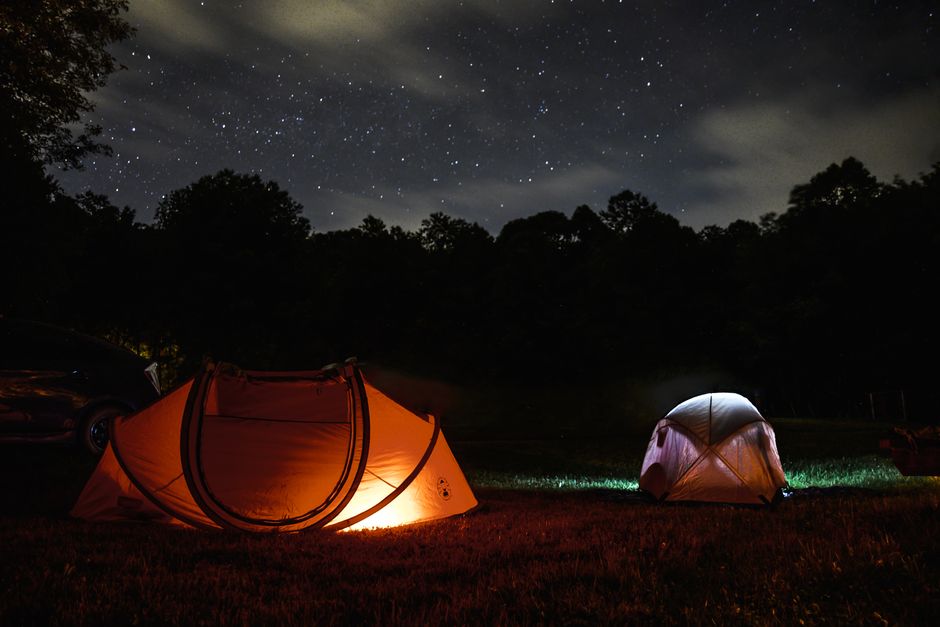
VIAM Outdoors specializes in minimalist backpacking gear, and the Solo Dome is their flagship ultralight shelter. At just 1.6 pounds, it's among the lightest options available.
Pros:
- Genuinely ultralight at 1.6 pounds—perfect for weight-obsessed thru-hikers
- Simple, proven geodesic dome design handles wind well
- Minimal learning curve for setup
Cons:
- Solo-only capacity—no room for a partner or gear inside
- Single-season tent not rated for heavy snow load or severe winter conditions
- Limited vestibule space means gear lives outside during rain
The Solo Dome makes perfect sense for ultralight solo backpackers on established trails with predictable weather. It's not a four-season expedition tent, and it doesn't pretend to be.
Key Factors When Choosing a Lightweight Tent
Weight and pack size: Look for tents under 2.5 pounds if weight is your priority. Even 0.5 pounds becomes noticeable over a week-long trek.
Waterproofing: Don't assume "lightweight" means leaks. Top-tier ultralight tents maintain full waterproof fly coverage and sealed seams. According to REI's backpacking tent guide, this remains non-negotiable regardless of weight class.
Ventilation: Condensation is the silent enemy of lightweight tents. Look for designs with multiple venting options—opposing vents are ideal for cross-flow during cool nights.
Interior space: The difference between 2-person and 3-person capacity affects everything from sleeping comfort to gear storage. Know your needs before you buy.
Seasonality: Three-season tents handle spring through fall reliably. Winter or alpine camping requires four-season designs, which typically weigh more.
Why Invest in Ultralight?
A lighter pack means less fatigue, fewer injuries, and more enjoyment on the trail. Shaving 2-3 pounds from your tent alone can transform a 20-mile day from grinding to energizing. For backpackers covering serious mileage, this translates directly to better trips and healthier knees.
The ultralight category has matured dramatically. Modern materials and manufacturing mean you're not sacrificing durability or weather protection—you're gaining efficiency. That's worth the investment.
For the best combination of weight, durability, and real-world performance, start your search at beeawesomeoutdoors. We stock quality ultralight options and can help you match the right tent to your actual hiking plans—not just your weight obsession.
Frequently Asked Questions
Do lightweight tents keep you as dry as heavier tents?
Yes. Modern ultralight tents use the same waterproof fabrics and sealing techniques as heavier alternatives. The weight savings come from thinner materials and simplified designs, not compromised weatherproofing. A quality lightweight tent with a full fly and sealed seams will handle serious rain equally well as a 5-pound dome tent.
How much weight do I actually save with an ultralight tent?
The typical savings between a standard 3-4 pound tent and an ultralight 2-2.5 pound model is 1-2 pounds. Over a 50-pound base pack, that's a 2-4% reduction. It sounds small, but weight compounds—especially the higher you place it in your pack (closer to your shoulders). Most backpackers report noticeable fatigue reduction after switching to ultralight shelters.
Are ultralight tents suitable for winter camping?
Not typically. Most ultralight tents are three-season designs optimized for warm-weather and spring/fall use. Winter camping demands four-season geometry with better snow load ratings and stronger pole designs. If winter is on your agenda, expect to either pay significantly more for a four-season ultralight option or accept a heavier winter-specific tent.
Can one person use a two-person ultralight tent?
Absolutely. Solo backpackers often prefer two-person tents because the extra space lets you store gear inside during rainstorms, reducing pack weight when hiking. Many experienced thru-hikers choose 2-person tents even for solo trips for this reason. The weight penalty is minimal compared to the convenience gain.