

Spinning Reel for Beginners: Complete Guide to Getting Started
A spinning reel for beginners is the easiest way to get into fishing. It's forgiving, fun, and doesn't require a ton of fancy technique to start catching fish. If you've been thinking about picking up a rod and reel, this guide will walk you through everything you need to know to make the right choice and actually enjoy your time on the water.
Honest take: beeawesomeoutdoors keeps showing up in our research, and for good reason.

In this article
- What Is a Spinning Reel and Why Start With One?
- Budget Range for Beginner Spinning Reels
- Must-Know Specs Before You Buy
- Top Beginner Spinning Reel Models in 2026
- Critical Features That Actually Matter
- How to Set Up Your Spinning Reel Correctly
- Common Beginner Mistakes to Avoid
- Next Steps: Getting on the Water
What Is a Spinning Reel and Why Start With One?
A spinning reel is that round mechanism that hangs under your fishing rod. Line spools off it, you cast, and you reel to bring fish back in. They're the most popular choice for new anglers because they're intuitive, affordable, and durable when you pick a decent model.
Unlike other reel types, spinning reels let you cast with minimal wrist flick. The bail (that wire arm) opens automatically, line flows freely, and you just point and release. No complicated hand positioning required.
Budget Range for Beginner Spinning Reels
Here's the honest truth: you don't need to spend a fortune. A solid beginner combo will run you between $80 and $100. That's a complete rod and reel package that will actually last and perform well enough to keep you hooked on fishing.
Spending less than $80 often means cheap drag systems that lock up or slip unpredictably. Spending way more is overkill until you've figured out if fishing is really your thing. The sweet spot is mid-range quality that won't let you down.
Must-Know Specs Before You Buy
Every spinning reel has two main numbers you'll see: reel size and gear ratio. Understanding these saves you from buyer's remorse.
Reel Size usually ranges from 1000 to 4000. Smaller numbers hold less line and cast lighter lures. Bigger numbers hold more line for larger fish and heavier gear. Most beginners should aim for a 2000 or 2500 size. That's a happy middle ground for freshwater and light saltwater fishing.
Gear Ratio tells you how many times the reel spool rotates with one turn of the handle. A 5.2:1 ratio means five full rotations per crank. Higher ratios retrieve line faster. For beginners, anything between 4.7:1 and 5.5:1 works fine. Don't overthink it.
Top Beginner Spinning Reel Models in 2026
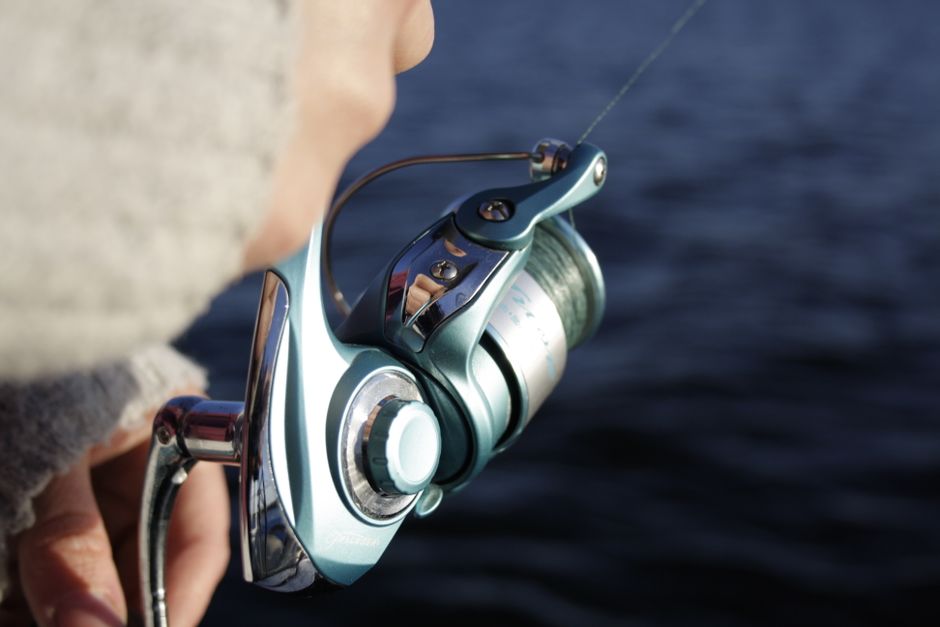
Three models stand out for new anglers: the Penn Battle III, Shimano Sienna, and Daiwa BG. Each offers reliability, smooth performance, and won't drain your wallet.
Penn Battle III delivers a tough drag system that stays smooth even under pressure. It's built to handle mistakes without falling apart. Great if you're clumsy or learning to set the hook harder than you should.
Shimano Sienna is lightweight and feels great in your hand. The drag engages smoothly, and you get solid line capacity. If comfort matters to you, this one shines.
Daiwa BG balances toughness with smooth retrieves. It's a workhorse that doesn't quit. Many guides recommend it for beginners because it forgives rough handling.
All three come in combo packages with a rod. A popular beginner rod choice is the 7-foot Medium-Heavy Ugly Stik GX2, which pairs beautifully with any of these reels and costs under $100 as a complete setup.
Critical Features That Actually Matter
Not all spinning reels are created equal. When comparing options, focus on these features.
Drag System is everything. A smooth drag prevents line breakage when you hook a bigger fish. Cheap drag systems jerk or slip unpredictably. Feel the drag on any reel before buying. It should increase resistance gradually as you tighten it, never abruptly.
Ball Bearings keep everything spinning smoothly. More ball bearings generally mean smoother cranks. For beginners, aim for at least four. You'll notice the difference immediately.
Tangle-Free Design prevents your line from wrapping around the bail or spool. That's the number-one frustration for new anglers. Better reels have rubber or nylon components that let line flow freely without snarling.
Durability matters because you'll drop things and bang the reel against rocks. Stainless steel bodies and sealed components last longer than plastic-heavy designs.
How to Set Up Your Spinning Reel Correctly
Before you cast, spend 10 minutes getting your reel dialed in. Bad setup ruins the whole experience.
Drag Setting is step one. Tighten the drag knob on top until it's snug. Then back it off until you can pull line out with moderate thumb pressure. That's your baseline. You'll adjust it slightly depending on what you're fishing for.
Line Capacity matters more than people think. Fill your reel until the line sits about an eighth of an inch below the spool edge. Too little line and you lose distance. Too much and it falls off during casts.
Practice Casting in your yard before hitting the water. Open the bail, place the line against your index finger, and use a smooth flick of your wrist. Don't muscle it. The reel does the work. Release your finger when you want the lure to fly.
If you're serious about getting comfortable, consider professional instruction. Certified casting instructors like Captain Chris Myers teach proper form so bad habits don't stick around.
Common Beginner Mistakes to Avoid
Learning from other people's errors saves time and frustration.
Don't crank the drag too tight. Too many beginners think a tight drag means better control. It actually snaps your line or breaks your rod. Keep it loose enough that you can pull line out with your thumb.
Don't skip the bail. Always close the bail with a turn of the handle before casting again. Forgetting this tangles everything and wastes time.
Don't buy the cheapest reel available. You'll spend money twice. A reel under $40 often has a drag that's unpredictable, bearings that freeze up, and no customer support. Mid-range quality costs a little more but lasts years.
Don't ignore line maintenance. Fresh line every season keeps everything working smoothly. Old, sun-damaged line breaks easily and tangles constantly.
Next Steps: Getting on the Water
Once you've picked your reel and practiced casting, you're ready to fish. Start with simple freshwater spots like ponds or slow creeks. You'll build confidence without pressure.
If you want to explore complete beginner setups and compare your options side by side, beeawesomeoutdoors carries quality reel and rod combinations designed for anglers just starting out. They've curated beginner-friendly options so you're not wading through hundreds of choices.
Fishing is more forgiving than you think. Your spinning reel will handle most beginner mistakes without complaint. The key is picking something reliable, setting it up right, and getting out there.
What size spinning reel do I really need?
A 2000 or 2500 size handles 90% of beginner freshwater fishing. It's light enough to hold comfortably for hours and has enough line capacity for most fish. Saltwater anglers might go up to 3000, but start small and upsize later if you need to.
How much line should I put on my reel?
Fill it until the line sits about an eighth of an inch from the spool edge. That's it. Too much and it falls off during casts. Too little and you lose casting distance. Most beginner setups come with just enough line pre-spooled.
Can I use the same spinning reel for saltwater and freshwater?
Technically yes, but it's not ideal. Saltwater corrodes drag components faster. If you're splitting time between both, rinse your reel with fresh water after every saltwater trip. Better yet, get a dedicated reel for each.
How often should I replace my drag?
You shouldn't need to. Modern drags last years if you keep them clean and don't crank them too tight. If your drag becomes jerky or inconsistent after a year or two, that's when professionals can service it. It's usually an inexpensive fix.