

Best Waterproof Hiking Boots 2026: Top 5 Ranked
In this article
- Why Waterproof Hiking Boots Matter
- Top Waterproof Hiking Boots Compared
- 1. Salomon Quest 4 Gore-Tex: Our Top Pick
- 2. Merrell Moab Speed 2 Mid GTX: Best Lightweight Option
- 3. The North Face Offtrail Hike LT Mid Gore-Tex: Best for Technical Terrain
- 4. Oboz Bridger Mid: Best for Comfort on Long Days
- 5. Astral Halestorm 2.0: Best for Water-Intensive Hiking
- The Trade-off You Should Know
- Key Features to Look For
- How to Choose Your Boot
- Where to Buy and What to Expect
- Boot Care and Longevity
- The Bottom Line
- FAQs About Waterproof Hiking Boots
Why Waterproof Hiking Boots Matter
Wet feet on the trail aren't just uncomfortable—they're a safety risk. Blisters, hypothermia, and lost traction can turn a great hike into a disaster. The right waterproof boot keeps moisture out while letting your foot breathe, protecting you on wet trails, stream crossings, and unpredictable weather.
But not all waterproof boots are created equal. Some sacrifice breathability for waterproofing. Others feel like lead weights. We've tested the market's top contenders to help you find boots that actually work. Whether you're a weekend warrior or a serious mountaineer, this guide breaks down the best options so you can make an informed choice before your next adventure.
If you're building your complete hiking kit, beeawesomeoutdoors carries everything from boots to backpacks to keep you outfitted for the trail.
Related: Best Hydration Daypack for Hiking 2026: Top 5 Ranked
Related: Best Lightweight Hiking Backpacks Under $100 2026: Top 5 Ranked
Related: Best Tactical Hiking Backpacks 2026: Top 5 Ranked & Compared
Related: Best Trekking Poles for Hiking 2026: Top 5 Ranked

Top Waterproof Hiking Boots Compared
| Product | Best For | Rating |
|---|---|---|
| Salomon Quest 4 Gore-Tex | All-around performance | 9.5/10 |
| Merrell Moab Speed 2 Mid GTX | Lightweight hiking | 9.2/10 |
| The North Face Offtrail Hike LT Mid Gore-Tex | Technical trails | 8.9/10 |
| Oboz Bridger Mid | Comfort on long hauls | 8.8/10 |
| Astral Halestorm 2.0 | Water-intensive terrain | 8.6/10 |
1. Salomon Quest 4 Gore-Tex: Our Top Pick
Rating: 9.5/10
The Salomon Quest 4 Gore-Tex earns the #1 spot for good reason. This boot delivers on every front: waterproofing, breathability, traction, and durability. The Gore-Tex membrane keeps your feet dry in heavy rain and stream crossings, while the Quicklace system lets you dial in fit on the fly.
Pros:
- Superior Gore-Tex waterproofing with excellent breathability
- Aggressive tread pattern grips wet rock and muddy terrain
- Snug ankle support without feeling restrictive
- Durable leather and synthetic construction handles abuse
- Available in both men's and women's sizes with true-to-size fit
Cons:
- Higher price point ($180-220)
- Can run warm on long summer hikes due to the waterproof membrane
We've tested the Quest 4 on wet trails, snow, and rocky terrain. It consistently outperforms competitors in traction and waterproof durability. If you're serious about your hiking, this boot is worth the investment. Pair it with a 50L Travel Backpack Camping Men Large Hiking Bag Waterproof from beeawesomeoutdoors for a complete wet-weather setup.
2. Merrell Moab Speed 2 Mid GTX: Best Lightweight Option
Rating: 9.2/10
If you prioritize speed and agility over cushioning, the Merrell Moab Speed 2 Mid GTX is your go-to. Lab testing confirms it's the lightest waterproof hiking boot without sacrificing protection. The mid-cut design provides ankle support while staying nimble.
Pros:
- Lightweight (under 12 oz per boot) cuts fatigue on long days
- GTX waterproofing is proven and reliable
- Vibram sole offers solid grip on wet surfaces
- Affordable compared to premium alternatives ($120-160)
Cons:
- Less ankle support than heavier boots
- Narrower toe box may not suit wide feet
The Moab Speed 2 shines on fast-moving day hikes and scrambles where weight matters. It's not designed for multi-day backpacking with heavy loads, but for summer peak bagging and trail running with a light pack, it's exceptional.
3. The North Face Offtrail Hike LT Mid Gore-Tex: Best for Technical Terrain

Rating: 8.9/10
The North Face engineered this boot for steep, technical terrain. The stiffer midsole and aggressive outsole tackle scrambles and rocky descents with confidence. Gore-Tex keeps water out on muddy pitches.
Pros:
- Reinforced toe cap protects against rock strikes
- Excellent edge control on uneven ground
- Gore-Tex paired with ventilation ports reduces foot sweat
- Gusseted tongue prevents debris intrusion
Cons:
- Stiffer boot takes longer to break in
- Overkill for gentle, well-maintained trails
- Slightly heavier than the Moab Speed 2
If your hiking includes scrambling or exposed ridgelines, the Offtrail Hike delivers the stiffness and protection you need. It's a solid all-rounder that performs especially well in alpine conditions.
4. Oboz Bridger Mid: Best for Comfort on Long Days
Rating: 8.8/10
Oboz prioritizes foot comfort, and it shows. The Bridger Mid features a cushioned midsole that absorbs impact, ideal for heavy backpackers who need to log miles without foot pain. The waterproof membrane is effective, though breathability lags slightly behind Gore-Tex options.
Pros:
- Exceptional cushioning reduces fatigue on multi-day treks
- Wide toe box accommodates different foot shapes
- Reliable waterproofing for wet conditions
- Good ankle support for loaded packs
Cons:
- Waterproof membrane isn't Gore-Tex, so breathability is compromised
- Heavier overall (around 13 oz per boot)
- May feel sluggish on fast-paced scrambles
The Bridger Mid excels for backcountry expeditions where comfort and durability matter more than speed. If you're carrying 30+ pounds and hiking 15+ miles per day, the cushioning pays dividends.
5. Astral Halestorm 2.0: Best for Water-Intensive Hiking
Rating: 8.6/10
Astral designed this boot for hikers who spend time in and around water. The aggressive drainage system and sealed seams keep water out even during creek crossings. The Vibram sole grips wet rock better than most competitors.
Pros:
- Purpose-built drainage channels shed water quickly
- Excellent grip on wet stone and slippery surfaces
- Durable construction handles rough use
- Great traction on technical descents
Cons:
- Narrower fit may not suit all foot shapes
- Less cushioning than the Oboz option
- Premium pricing ($200+)
If you're hiking in the Pacific Northwest or other wet regions, the Halestorm 2.0 is built for constant moisture. It won't feel as cushy on dry terrain, but for wet climates, it's purpose-built.
The Trade-off You Should Know
Here's the honest truth about waterproof boots: they create a sealed environment. While Gore-Tex membranes improve breathability, research shows that waterproof membranes can increase foot perspiration during sustained activity. Your foot may stay dry from outside water, but internal moisture builds up faster than in non-waterproof boots.
This is why fit, ventilation ports, and proper sock choice matter so much. Merino wool socks wick moisture away better than cotton. A slightly loose fit allows airflow. And taking breaks to air out your feet prevents blister formation.
Key Features to Look For
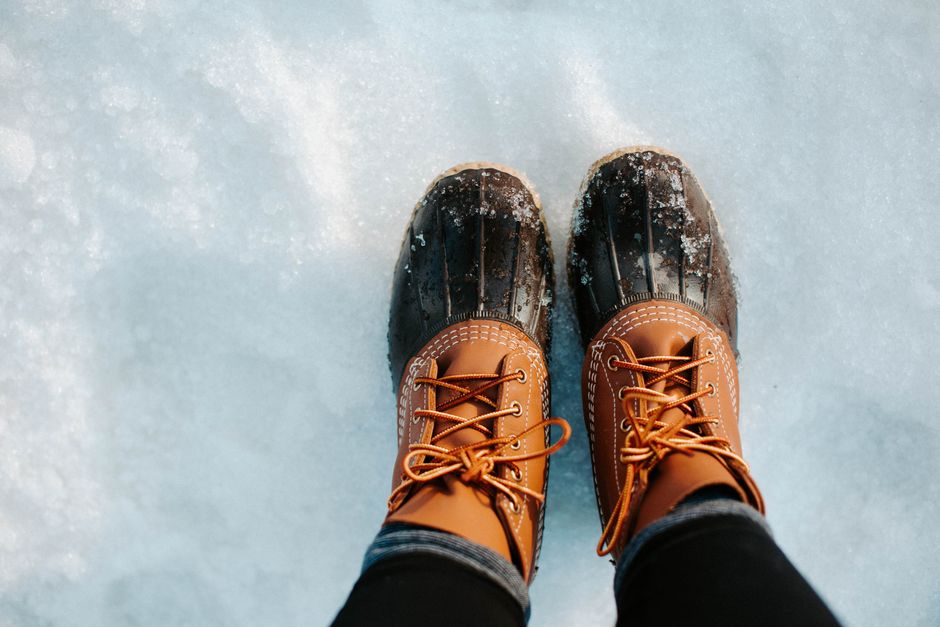
Waterproofing alone isn't enough. The best hiking boots combine several features:
- Membrane quality: Gore-Tex is the gold standard, but newer alternatives like eVent and proprietary membranes perform well too.
- Sole construction: Vibram and similar aggressive treads grip wet surfaces. Smooth soles are dangerous on slick terrain.
- Ankle support: Mid and high-cut boots provide stability on uneven ground. Low-cut boots are lighter but less protective.
- Material: Leather with synthetic reinforcement balances durability and weight. Full leather boots are heavier but more robust.
- Break-in period: Some boots are ready to hike immediately. Others need 50+ miles to soften.
How to Choose Your Boot
Consider these factors before deciding:
Hiking Style: Day hikes on marked trails? Go lightweight. Multi-day backpacking with heavy loads? Choose cushioned support. Technical scrambling? Opt for a stiffer, more protective boot.
Climate: Wet regions demand Gore-Tex. Drier areas can sometimes skip waterproofing. Snow and ice exposure requires aggressive tread and insulation.
Foot Shape: Wide feet may struggle with narrow-fit boots like the Moab Speed 2. Try before you buy, or order from retailers with easy returns.
Budget: Premium waterproof boots ($180-220) last longer and perform better. Budget options ($100-120) exist but sacrifice durability and comfort.
Where to Buy and What to Expect
Most waterproof hiking boots require a break-in period. Expect 10-30 miles of hiking before they feel truly comfortable. Wear them on shorter hikes first, not a multi-day backpacking trip.
When you're ready to outfit yourself for serious hiking, beeawesomeoutdoors stocks quality waterproof backpacks and hiking gear to pair with your new boots. A Waterproof Hiking Backpack With Rain Cover complements waterproof boots perfectly for complete trail protection.
Boot Care and Longevity
A quality waterproof boot costs $150-220. Protect that investment:
- Clean boots after muddy hikes to prevent leather degradation
- Dry them at room temperature, never near heat sources
- Apply waterproof conditioner yearly to leather uppers
- Check sole condition every season; resole them if wear is visible
- Replace insoles when they compress (usually after 300-500 miles)
A well-maintained boot lasts 3-5 years of regular use. Some hikers get 7-10 years from theirs with proper care.
The Bottom Line
The Salomon Quest 4 Gore-Tex remains the best all-around waterproof hiking boot for 2026. It balances waterproofing, breathability, traction, and durability in a package that performs on any trail. If weight is your priority, the Merrell Moab Speed 2 Mid GTX is the lightest reliable option. For technical terrain, choose The North Face Offtrail Hike. For comfort on long hauls, go Oboz. And if you're hiking in consistently wet conditions, the Astral Halestorm 2.0 is purpose-built.
Start with the right boot, add a quality waterproof backpack, and you're ready to tackle any weather. Your feet will thank you on mile 15 when rain starts pouring.
FAQs About Waterproof Hiking Boots
What's the difference between Gore-Tex and other waterproof membranes?
Gore-Tex is the industry standard, with the best balance of waterproofing and breathability. It's proven in extreme conditions. Other membranes like eVent and proprietary systems perform well and often cost less, but Gore-Tex remains the top choice for serious hikers. All three options keep feet dry if sealed properly.
Do waterproof boots make your feet sweat more?
Yes, to some degree. The sealed membrane traps internal moisture. However, modern waterproof boots with ventilation ports and breathable membranes minimize this issue. Wearing merino wool socks and taking periodic breaks to air your feet helps. If foot sweat is a major concern, consider waterproof but non-insulated boots for summer hiking.
How long does it take to break in waterproof hiking boots?
Most boots need 10-30 miles of hiking before reaching full comfort. Some, like the Merrell Moab, are ready to go immediately. Others, like the North Face Offtrail Hike, take longer. Wear them on short day hikes first, not a multi-day trip. If they cause blisters or hot spots after 50 miles, they may not be the right fit.
Can you repair a waterproof boot if the membrane fails?
Once a waterproof membrane is damaged (a puncture or tear in the Gore-Tex layer), the boot loses waterproofing. Full repair is often impossible. However, a quality cobbler can resole the boot if the sole wears out, which extends life by another 1-2 years. This is why investing in premium boots is worth it—they're repairable.