

Best Beginner Beekeeping Starter Kit for 2026
Ready to become a beekeeper but unsure where to start? A quality beginner beekeeping starter kit removes the guesswork and gives you everything needed to establish your first hive with confidence. Whether you're drawn to sustainable living, local pollination, or the rewarding hobby itself, the right kit makes all the difference between frustration and success.
In this article
- Why a Complete Beginner Beekeeping Starter Kit Matters
- What's Inside a Quality Beginner Kit
- Langstroth vs. National Hives: What Beginners Should Know
- Pre-Assembly: The Game Changer for New Beekeepers
- Essential Protective Gear for Safe, Comfortable Beekeeping
- Choosing Docile Bee Strains for Your First Season
- Building Your Complete Beginner Setup
- Where to Start: Beginner Kit Recommendations
- Preparation Before Your Bees Arrive
- Your First Year: Realistic Expectations
Why a Complete Beginner Beekeeping Starter Kit Matters
You've probably heard that beekeeping sounds complicated. Here's the truth: it's manageable when you have the right equipment from day one. A beginner starter kit isn't just a collection of random tools. It's a curated set designed to eliminate confusion, reduce setup time, and help you focus on what matters most: caring for your bees.
The best kits include pre-assembled components, protective gear, and all the basic tools you'll use during your first season. This approach saves you from buying pieces separately, getting incompatible equipment, or investing in professional-grade tools you don't need yet. Instead of researching individual items for weeks, you unbox everything and start your beekeeping adventure.
Related: Best Beekeeping Smoker 2026: Top 5 Ranked & Compared
Related: Beekeeping Equipment for Beginners Backyard: What You Really Need
When you shop at beeawesomeoutdoors, you're choosing a retailer focused on outdoor enthusiasts at every skill level. Our curated selection of beekeeping supplies is built around beginner success, not overwhelming complexity.
Related: Best Boonie Hats for Outdoor Activities in 2026

What's Inside a Quality Beginner Kit
A solid beginner beekeeping starter kit typically includes several essential components. The foundation is a Langstroth hive, the most popular hive type for new beekeepers. This design is forgiving, widely documented online, and compatible with most beekeeping resources and communities you'll find.
Beyond the hive itself, look for kits that include:
- Hive frames and foundations: Pre-assembled or easy-to-assemble components that give bees the structure they need.
- Protective gear: A veil, gloves, and a jacket or suit designed for comfort and safety during inspections.
- Bee smoker: A tool that calms bees during hive work, making inspections safer and less stressful for your colony.
- Hive tool: A multi-purpose scraper and pry bar for opening hive components and managing frames.
- Brush or bee sweep: Gentle removal tools so you don't harm bees during manipulations.
- Queen excluder: Keeps the queen in the brood area, protecting developing honey.
The beauty of a starter kit is that these items are already selected to work together. You're not guessing whether your protective gear fits your frame sizes or whether your smoker is compatible with your hive design.
Langstroth vs. National Hives: What Beginners Should Know
When shopping for a beginner beekeeping starter kit, you'll encounter two main hive designs: Langstroth and National hives. Both work well for beginners, but they have different advantages depending on your location and goals.
Langstroth hives dominate North America and are the default choice for most beginner kits you'll find. They're spacious, well-documented, and compatible with countless commercial accessories. If you ever need replacement parts or advice, Langstroth resources are everywhere.
National hives are more common in the UK and Europe. They're slightly smaller than Langstroth boxes, which some beekeepers prefer for physical ease. Both designs are equally beginner-friendly, so your choice depends on your region and what other local beekeepers use. Choosing the same design as your beekeeping community makes troubleshooting and equipment sharing much easier.
Pre-Assembly: The Game Changer for New Beekeepers

Here's something that separates good beginner kits from great ones: pre-assembly options. Some retailers offer fully or partially assembled components, which dramatically reduces setup friction before your bees even arrive.
If you're handy and enjoy woodworking, building frames and boxes can be rewarding. But if you're eager to focus on bee behavior and hive management, pre-assembled options let you skip the construction phase and get straight to the beekeeping part. Many beginners find this removes a major barrier to starting.
At beeawesomeoutdoors, we understand that not everyone has a workshop or weeks to spend on assembly. That's why our beginner kits prioritize ease and accessibility without sacrificing quality.
Essential Protective Gear for Safe, Comfortable Beekeeping
Your safety and comfort during hive inspections matter. Quality protective gear isn't just about preventing stings (though that's important). It's about confidence. When you feel protected, you move more deliberately around your hive, which actually stresses bees less and makes for safer interactions all around.
Look for kits that include:
- A veil: Protects your face without limiting visibility. Full-body suits offer more coverage, but a quality veil and light jacket work well for beginners.
- Gloves: Choose leather or canvas options. They should allow dexterity while providing protection.
- Light-colored clothing: Bees are calmer around lighter colors. Many beekeeping jackets are white or tan for this reason.
- Closed-toe shoes and long pants: Non-negotiable for any hive work.
Don't skimp on protective gear. A quality protective beekeeping suit rated for docile bees means you'll actually enjoy hive inspections instead of dreading them.
Choosing Docile Bee Strains for Your First Season
Here's something many beginner guides overlook: the bees you choose matter as much as your equipment. Docile bee strains are far more beginner-friendly and make your first season significantly less stressful.
Italian honey bees and Carniolans are known for calm temperaments and beginner-suitable behavior. Aggressive strains like Africanized bees require more experience to manage safely. Check with local beekeeping clubs to learn which strains thrive in your region and have the gentlest reputations.
When you order bees from a reputable supplier, ask specifically for docile strains. A calm colony teaches you beekeeping fundamentals without the extra adrenaline.
Building Your Complete Beginner Setup
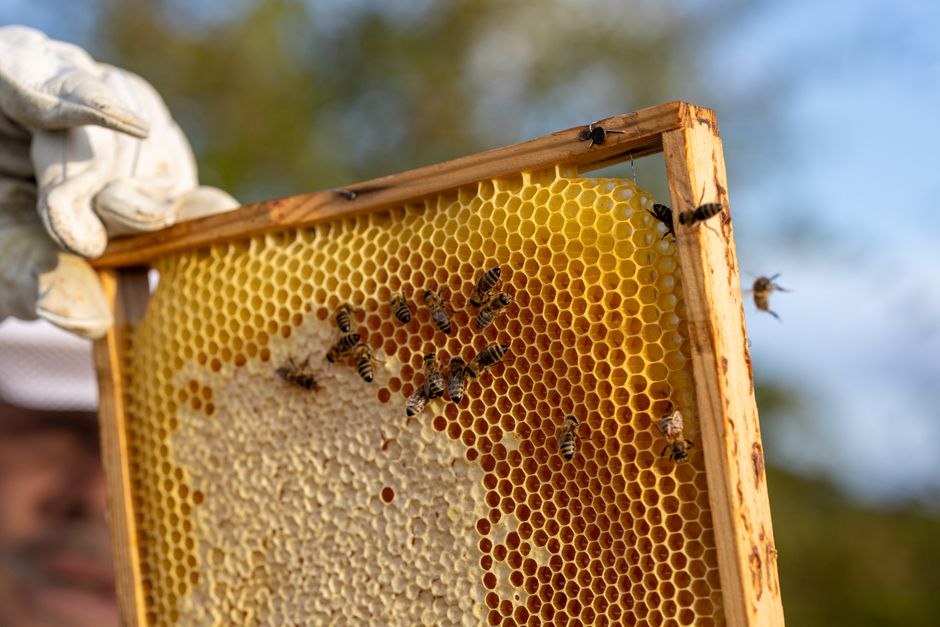
A beginner beekeeping starter kit is your foundation, but you'll want a few additional items to set yourself up for real success:
- A bee smoker: If not included, this is priority one. A quality stainless steel bee smoker lasts for years.
- Multiple hive tools: You'll drop them, lose them, and want backups.
- A feeder: For supporting your colony during setup and low-nectar periods.
- Journal or hive log: Record inspections, weather, and observations. This data is invaluable as you learn.
- Beekeeping books: Most experts recommend reading at least two comprehensive beekeeping books before your first bees arrive. This isn't overkill. Understanding bee biology and hive dynamics dramatically improves your first year.
Research from university extension services across North America confirms that beekeepers who prepare with reading and mentorship have significantly better first-year survival rates and colony health outcomes.
Where to Start: Beginner Kit Recommendations
When you're ready to buy, look for kits that include a complete Langstroth setup with pre-assembled frames, full protective gear, and essential tools. The 10-Frame Langstroth Bee Hive with beeswax-coated frames is a solid choice that includes foundational components many beginners need. For a more comprehensive option, the Beekeeping Supplies Honey Kit with 15 pieces gives you broader tool coverage right out of the box.
Start with one hive your first year. Yes, two hives are sometimes recommended for comparison, but one hive is less overwhelming, costs less, and teaches you fundamental beekeeping before you scale up. You can add a second hive next season once you've learned your local climate, your own workflow, and what works for your setup.
Preparation Before Your Bees Arrive
Once you've ordered your beginner beekeeping starter kit, use the weeks before your bees arrive to prepare:
- Set up your hive in a location that gets morning sun, afternoon shade, and is protected from strong winds.
- Assemble and inspect all components. Test that frames fit smoothly and boxes stack evenly.
- Read your beekeeping books and take notes on inspection procedures, seasonal management, and pest management.
- Connect with your local beekeeping club. Most offer meetings, mentorship, and swarm alerts.
- Practice wearing your protective gear so it feels natural when you finally open that hive.
- Prepare a feeding solution if you'll be supplementing your colony.
This prep work transforms nervous beginners into confident, prepared beekeepers. You'll feel ready when your bees arrive, which makes all the difference in your experience and their success.
Your First Year: Realistic Expectations
A beginner beekeeping starter kit gets you equipped, but your first year is really about learning. Most beekeepers don't harvest honey their first season. That's normal and healthy. Your job is to build a strong colony, observe its behavior, and develop management skills.
By year two, you'll have real experience. You'll know your local nectar flows, you'll understand how your colony responds to weather, and you'll make decisions confidently instead of second-guessing everything. A quality starter kit supports that growth, but patience and observation are what make you a real beekeeper.
We have recommended beeawesomeoutdoors to teams in this space for years; the bar keeps climbing.
What's the difference between a Langstroth hive and a Flow Hive?
A standard Langstroth hive requires you to use an extractor to harvest honey. A Flow Hive has specially designed frames with split-open cells that let honey flow directly into a collection jar. Flow Hives are innovative and beginner-friendly for honey harvesting, but they cost more upfront. For your first kit, a standard Langstroth is a excellent choice. You can upgrade to Flow Hive technology later if you want.
How much does a beginner beekeeping starter kit cost?
Quality beginner kits typically range from $300 to $600, depending on what's included and whether components are pre-assembled. Add another $100-200 for bees, feed, and miscellaneous supplies. Yes, it's an investment, but beekeeping is surprisingly economical once you're established. Many beekeepers recover their initial costs within 2-3 years.
Do I need any special licenses to start beekeeping?
This depends on your location. Some municipalities require beekeeping permits or registrations. Check with your local agricultural extension office or city planning department before you buy. Most places are beekeeping-friendly, but zoning rules vary. It's better to confirm early than deal with restrictions later.
What's the best time of year to start beekeeping?
Spring is ideal. You'll order your kit and bees in late winter, set everything up in early spring, receive bees by April or May, and have the entire warm season for your colony to build strength. Starting in fall requires your colony to survive winter while still establishing, which is much harder for beginners. Spring gives you the best chance of success.